
July 7, 2025
Car Seat Checklist
A Simple Guide to Keeping Your Little One Secure on the Road
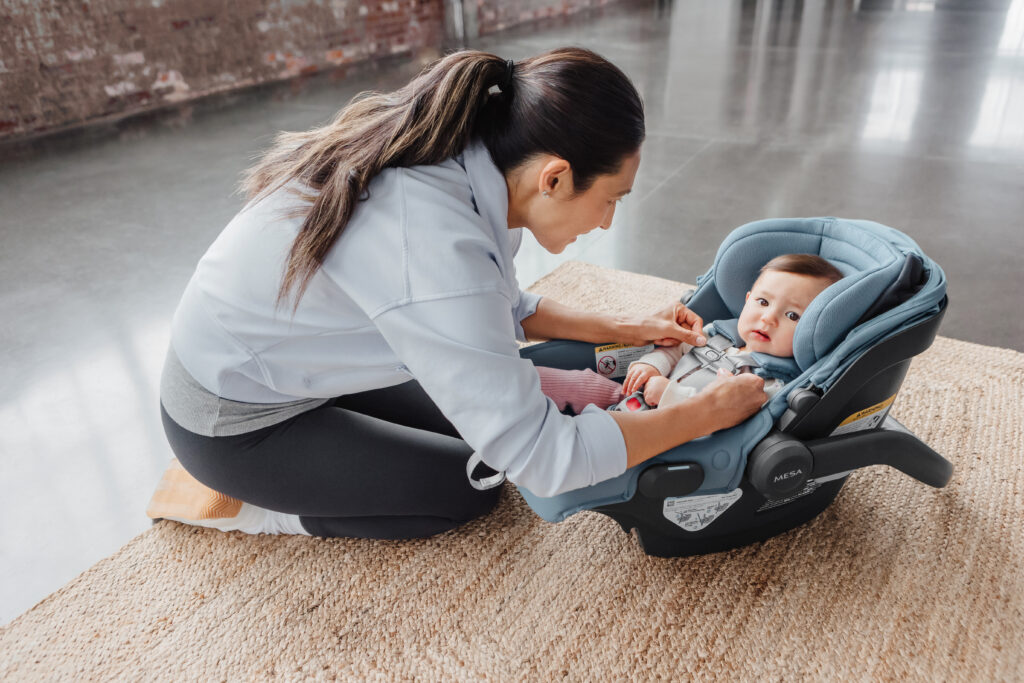
As a parent, keeping your child properly positioned and secure while riding in the car is one of your most important responsibilities. A properly installed car seat is essential, but we know it can sometimes feel overwhelming knowing where to start. Don’t worry — we’ve made it easy for you with this simple car seat checklist. By following these simple steps, you can have peace of mind every time you hit the road. Remember, the safest seating position is the one that works best for your car seat, vehicle, and family.
It’s easier than you think to ensure your child is properly protected in your vehicle — just follow this list!
Car Seat Checklist: Easy Steps to Keep Your Child Secure
- ☐ Installation Should Be Tight
Ensure your car seat is properly installed so it doesn’t move more than 1 inch in the belt path. A secure fit is critical in the event of a crash, and it’s easier than you think to get it right! - ☐ Store Loose Items in the Trunk
Loose items in your vehicle, like toys, bags, or water bottles, can become dangerous projectiles in the event of a sudden stop or accident. Make sure everything is securely stored away in the trunk. - ☐ No Bulky Clothing Under the Harness
While it’s tempting to bundle your child up in warm clothing, avoid placing them in their car seat while wearing bulky jackets or coats. Excess padding can create extra space between the harness and your child, leading to a false sense of security. Instead, dress them in thinner layers, and then use a blanket over the harness if necessary. - ☐ Car Seats Expire
Did you know car seats have an expiration date? Check the labeling on your car seat, or consult the manufacturer’s guidelines, to make sure yours hasn’t expired. An expired seat may not offer the same level of protection, so make sure you’re up to date. - ☐ Chest Clip at Armpit Level
The chest clip should be positioned at your child’s armpit level — not too high or too low. This helps keep the harness in the proper position during travel and ensures maximum protection. - ☐ Conduct the Pinch Test
To make sure the harness is snug, perform the “pinch test.” Try to pinch the harness straps at your child’s shoulders. If you can pinch any slack, the straps need to be tightened. Proper harness tension is crucial for safety. - ☐ Check Installation Often
Car seats can shift over time, so it’s important to double-check the installation regularly. Ensure the harness is adjusted for your child’s current size and check that the straps remain snug and properly positioned. - ☐ Read the Manuals
Both your car seat and your vehicle come with specific instructions for installation and use. Be sure to read both manuals carefully — they may include unique instructions that are key to getting the most secure fit possible. - ☐ Choose the Right Seat for Your Child’s Age and Weight
As your child grows their car seat needs change. Be sure to choose a seat that’s appropriate for their current age and weight. From rear-facing infant car seats to convertible car seats, booster seats, and seat belts — make sure you’re using the right restraint for their size. - ☐ Avoid Front Airbags for Rear-Facing Seats
If your child is in a rear-facing car seat, never place the seat in front of an active passenger airbag. The airbag can deploy in the event of a crash, causing serious injury. Always ensure that rear-facing seats are positioned in the back seat of your vehicle. - ☐ Keep Kids in the Back Seat Until Age 13
The back seat is the best place for children under the age of 13 to ride. Avoid the temptation to let your child ride up front, as the back seat offers the best protection in the event of a crash. - ☐ Register Your Car Seat
Registering your car seat ensures you’ll be notified if there’s ever a recall. Don’t skip this step — it’s a simple way to stay informed about any potential safety concerns with your seat. - ☐ Always Wear Your Seatbelt
Children are more likely to buckle up if they see you doing the same! Be a role model by always wearing your seatbelt, and make sure everyone in your vehicle is properly secured before you drive.
Need Help? We’re Here for You!
While these tips are a great start, every car and car seat are different. Be sure to read both your vehicle and car seat manuals for detailed instructions. If you ever feel uncertain, don’t hesitate to reach out to our team of certified Child Passenger Safety Technicians. We’re here to help make sure your little one is secure on every trip!
For more helpful information, visit Safekids.org or check out the latest recommendations from the American Academy of Pediatrics (AAP).
Stay safe and travel with confidence!
FOLLOW US
%20--%3e%3csvg%20version='1.1'%20id='Layer_1'%20xmlns='http://www.w3.org/2000/svg'%20xmlns:xlink='http://www.w3.org/1999/xlink'%20x='0px'%20y='0px'%20viewBox='0%200%20132%20132'%20style='enable-background:new%200%200%20132%20132;'%20xml:space='preserve'%3e%3cstyle%20type='text/css'%3e%20.st0{fill:%230F0C0A;}%20%3c/style%3e%3cg%20id='Layer_2_1_'%3e%3cg%20id='Layer_1-2'%3e%3ccircle%20class='st0'%20cx='66'%20cy='65.9'%20r='16.6'/%3e%3cpath%20class='st0'%20d='M104.8,36.5c-1.7-4.3-5.1-7.8-9.4-9.5c-3-1.1-6.1-1.7-9.2-1.7C80.9,25.1,79.3,25,66,25s-14.9,0-20.1,0.3%20c-3.2,0-6.3,0.6-9.2,1.7c-4.3,1.7-7.8,5.1-9.5,9.5c-1.1,3-1.7,6.1-1.7,9.2c-0.2,5.2-0.3,6.8-0.3,20.1s0,14.9,0.3,20.1%20c0,3.2,0.6,6.3,1.7,9.2c1.7,4.3,5.1,7.8,9.5,9.4c3,1.1,6.1,1.7,9.2,1.7c5.2,0.2,6.8,0.3,20.1,0.3s14.9-0.1,20.1-0.3%20c3.2,0,6.3-0.6,9.2-1.7c4.3-1.7,7.8-5.1,9.4-9.4c1.1-2.9,1.7-6.1,1.7-9.2c0.2-5.2,0.3-6.8,0.3-20.1s-0.1-14.9-0.3-20.1%20C106.5,42.6,105.9,39.5,104.8,36.5z%20M66,91.4c-14.1,0-25.6-11.4-25.6-25.6c0-14.1,11.4-25.6,25.5-25.6s25.6,11.4,25.6,25.6l0,0%20C91.6,80,80.1,91.4,66,91.4z%20M92.6,45.3c-3.3,0-6-2.7-6-6s2.7-6,6-6s6,2.7,6,6S95.9,45.3,92.6,45.3z'/%3e%3cpath%20class='st0'%20d='M99,0H33C14.8-0.1,0.1,14.6,0,32.7v0.1v66c0,18.3,14.7,33.1,33,33.1h66c18.2-0.1,33-14.9,33-33.2v-66%20C132,14.7,117.2,0,99,0L99,0z%20M115.5,86.4c-0.1,4.1-0.9,8.2-2.3,12.1c-2.6,6.7-7.9,12-14.6,14.5c-3.9,1.4-8,2.2-12.1,2.3%20c-5.3,0.2-7,0.3-20.5,0.3s-15.2-0.1-20.5-0.3c-4.1-0.1-8.2-0.9-12.1-2.3c-6.7-2.6-12-7.9-14.6-14.5c-1.4-3.9-2.2-8-2.3-12.1%20c-0.2-5.3-0.3-7-0.3-20.5s0.1-15.2,0.3-20.5c0.1-4.1,0.9-8.2,2.3-12.1c2.6-6.7,7.9-12,14.6-14.6c3.9-1.4,8-2.2,12.1-2.3%20c5.3-0.2,7-0.3,20.5-0.3s15.2,0.1,20.5,0.3c4.1,0.1,8.2,0.9,12.1,2.3c6.7,2.6,12,7.9,14.6,14.6c1.4,3.9,2.2,8,2.3,12.1%20c0.2,5.3,0.3,7,0.3,20.5S115.7,81.1,115.5,86.4L115.5,86.4z'/%3e%3c/g%3e%3c/g%3e%3c/svg%3e)
%20--%3e%3csvg%20version='1.1'%20id='Layer_1'%20xmlns='http://www.w3.org/2000/svg'%20xmlns:xlink='http://www.w3.org/1999/xlink'%20x='0px'%20y='0px'%20viewBox='0%200%20132%20132'%20style='enable-background:new%200%200%20132%20132;'%20xml:space='preserve'%3e%3cstyle%20type='text/css'%3e%20.st0{fill:%230F0C0A;}%20%3c/style%3e%3cg%20id='Layer_2_1_'%3e%3cg%20id='Layer_1-2'%3e%3cpath%20class='st0'%20d='M99.4,0h-66C15,0.2,0.2,15,0,33.4v66C0,117.7,15.2,132,33.4,132h66c17.8,0.2,32.4-14.2,32.6-32%20c0-0.2,0-0.4,0-0.6v-66C132,15.2,117.7,0,99.4,0z%20M84.1,66H73v42H55V66h-8V52h8v-9.5c0-6.8,3.2-17.3,17.3-17.3H85V39h-8.8%20c-1.5,0-3.2,1.1-3.2,4.3V52h12.6L84.1,66z'/%3e%3c/g%3e%3c/g%3e%3c/svg%3e)
%20--%3e%3csvg%20version='1.1'%20id='Layer_1'%20xmlns='http://www.w3.org/2000/svg'%20xmlns:xlink='http://www.w3.org/1999/xlink'%20x='0px'%20y='0px'%20viewBox='0%200%20132%20132'%20style='enable-background:new%200%200%20132%20132;'%20xml:space='preserve'%3e%3cstyle%20type='text/css'%3e%20.st0{fill:%230F0C0A;}%20%3c/style%3e%3cpath%20class='st0'%20d='M99.4,0h-66C15,0.2,0.2,15,0,33.4v66C0,117.7,15.2,132,33.4,132h66c17.8,0.2,32.4-14.2,32.6-32%20c0-0.2,0-0.4,0-0.6v-66C132,15.2,117.7,0,99.4,0z%20M101.5,57.7c-7.9,0-15.4-4-19.7-10.6v36.3c0,14.8-12,26.8-26.8,26.8%20s-26.8-12-26.8-26.8c0-14.8,12-26.8,26.8-26.8c0.6,0,1.1,0.1,1.7,0.1v13.2c-0.5-0.1-1.1-0.2-1.7-0.2c-7.6,0-13.7,6.1-13.7,13.7%20c0,7.6,6.1,13.7,13.7,13.7s14.2-6,14.2-13.5L69.3,22h12.6c1.2,11.3,10.3,20.2,21.7,21l0.1,14.6C103,57.7,102.3,57.7,101.5,57.7z'/%3e%3c/svg%3e)
%20--%3e%3csvg%20version='1.1'%20id='Layer_1'%20xmlns='http://www.w3.org/2000/svg'%20xmlns:xlink='http://www.w3.org/1999/xlink'%20x='0px'%20y='0px'%20viewBox='0%200%20132%20132'%20style='enable-background:new%200%200%20132%20132;'%20xml:space='preserve'%3e%3cstyle%20type='text/css'%3e%20.st0{fill:%230F0C0A;}%20%3c/style%3e%3cg%20id='Layer_2_1_'%3e%3cg%20id='Layer_1-2'%3e%3cpath%20class='st0'%20d='M99.2,0h-66C14.9,0,0,15.2,0,33.4v66C0,117.7,14.9,132,33.2,132h66c18,0.2,32.7-14.2,32.8-32.2%20c0-0.1,0-0.3,0-0.4v-66C132,15.2,117.4,0,99.2,0z%20M107,69.6c0,6.7-0.6,13.3-0.6,13.3s-0.7,5.7-3.2,8.2c-2.2,2.2-5.1,3.5-8.2,3.5%20c-11.6,0.8-28.9,0.9-28.9,0.9s-21.4-0.2-28-0.8c-1.8-0.3-6-0.2-9.1-3.5c-2.5-2.5-3.2-8.2-3.2-8.2c-0.5-4.5-0.8-9-0.8-13.4v-6.3%20c0-4.5,0.3-8.9,0.8-13.3c0,0,0.8-5.7,3.3-8.2c2.2-2.3,5.1-3.6,8.2-3.8c11.5-0.8,28.9-1,28.9-1l0,0c0,0,17.3,0.2,28.9,1%20c3.1,0.1,6.1,1.4,8.3,3.6c2.5,2.5,3.1,8.2,3.1,8.2s0.6,6.7,0.6,13.4L107,69.6z'/%3e%3cpolygon%20class='st0'%20points='52.5,85.7%2088.2,67.2%2052.5,48.6%20'/%3e%3c/g%3e%3c/g%3e%3c/svg%3e)
%20--%3e%3csvg%20version='1.1'%20id='Layer_1'%20xmlns='http://www.w3.org/2000/svg'%20xmlns:xlink='http://www.w3.org/1999/xlink'%20x='0px'%20y='0px'%20viewBox='0%200%20132%20132'%20style='enable-background:new%200%200%20132%20132;'%20xml:space='preserve'%3e%3cstyle%20type='text/css'%3e%20.st0{fill:%230F0C0A;}%20%3c/style%3e%3cpath%20class='st0'%20d='M99.4,0h-66C15,0.2,0.2,15,0,33.4v66C0,117.7,15.2,132,33.4,132h66c17.8,0.2,32.4-14.2,32.6-32%20c0-0.2,0-0.4,0-0.6v-66C132,15.2,117.7,0,99.4,0z%20M39.2,112.4H19.7v-63h19.5V112.4z%20M29.5,40.7c-6.2,0-11.3-5.1-11.3-11.3%20c0-6.2,5.1-11.3,11.3-11.3s11.3,5.1,11.3,11.3C40.7,35.6,35.7,40.7,29.5,40.7z%20M112.4,112.4H92.9v-36c0-7.9-4.9-11.7-11.6-11.7%20c-4.8,0-12.3,4.4-12.3,13.1v34.6H49.3v-63h18.8v8.9c0,0,5.5-10.7,20.6-10.7c15.1,0,23.7,10.5,23.7,25.3V112.4z'/%3e%3c/svg%3e)